

How-To and Tips
Pablo Pouch Shelf Life: How Long Your Cans Stay Fresh
Oct
Pablo Pouch Shelf Life: How Long Your Cans Stay Fresh
Pablo pouch shelf life runs 18 months from production, as long as you keep the cans cool and dry.
That single number answers most questions. Still, it raises a few more about dates, opened cans and bulk orders.
This guide explains how to track the clock on your cans, so you know which ones to open first.
It also covers what changes when a pouch dries out, and why the Dry line plays by different rules.
Key Takeaways
- The maker states an 18-month shelf life, counted from the production date, for cans stored cool and dry.
- Heat, humidity swings and an open lid all work against freshness.
- A stiff pouch with muted flavor often points to moisture loss, not a different product.
- Pablo Dry pouches are low-moisture by design, so a drier feel there is normal.
- Bulk buyers can plan around 18 months easily by rotating cans, oldest first.
The 18-Month Rule in Plain Terms
N.G.P Tobacco ApS, the Danish company behind Pablo, gives one clear storage figure in its brand FAQ.
Cans stay good for 18 months from production when you store them somewhere cool and dry.
Notice the starting point. The clock begins at the factory, not on the day your order arrives.
So a can produced six months ago still has about a year of rated freshness left.
The figure also comes with a condition attached. “Cool and dry” does real work in that sentence.
A can that spends a summer in a hot glovebox won’t behave like one kept in a drawer.
Quick math: production date plus 18 months gives you the end of the rated window for a sealed, well-stored can.
Why a Window Instead of a Hard Expiry
Think of the 18 months as a quality window rather than a switch that flips overnight.
Pouches don’t change suddenly on a set date. Instead, any change tends to happen gradually.
Storage conditions decide how fast that happens. Good storage keeps a can near its original state for longer.
Poor storage, however, can push a can past its best well before month eighteen.
How to Track the Dates on Your Cans
Start by checking the can and its packaging for any printed date or code.
Next, figure out what kind of date you are reading. It could mark production or a best-before point.
If you find a production date, add 18 months to estimate its rated window.
If you find a best-before date instead, that math is already done for you.
Then, when you find no clear date, keep the receipt or order email as a rough age reference.
A Simple Habit for Mixed Stock
When you hold several cans, write the arrival month on each lid with a marker.
That note takes seconds, yet it removes the guesswork later on.
Also, keep cans from the same order together, because they usually share a batch.
As a result, you can open the oldest group first without checking every can.
What Affects Pablo Pouch Shelf Life Most
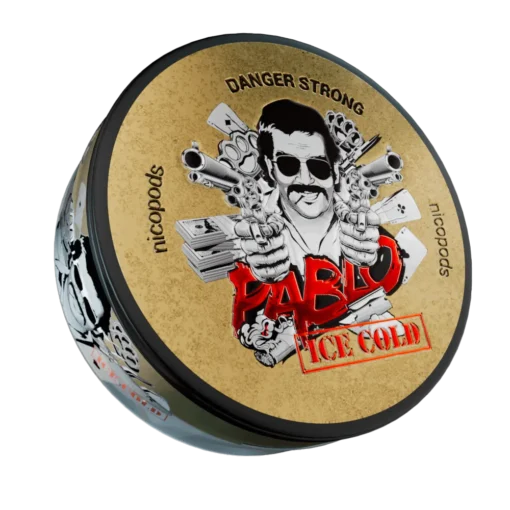
Time matters, but conditions matter more. Three factors do most of the damage to a can.
Heat
Warmth can speed up moisture loss. Car interiors, sunny windowsills and radiators all cause trouble.
For example, a can left on a dashboard bakes far hotter than the outside air.
So keep spare cans indoors, away from appliances that throw off heat.
Air and an Open Lid
Every time you open a can, fresh air reaches the pouches inside.
That exposure is unavoidable, but a lid left ajar turns a small effect into a big one.
So shut the lid firmly after each pouch to protect the ones still inside.
Humidity Swings
“Dry” in the maker’s guidance means a stable, low-humidity spot, not a damp bathroom cabinet.
Steam from showers and kitchens can reach a can, while cold drafts dry it out again.
Instead, pick a steady place such as a bedroom drawer or a closet shelf.
The full guide to storing Pablo pouches covers drawers, travel tins and summer heat in more detail.
Signs a Pouch Has Dried Out
Moisture loss can show up in ways you notice before you ever use a pouch.
- Stiffer feel: the pouch may hold its shape instead of flexing softly.
- Papery feel: it may feel thin and dry rather than slightly plump.
- Muted flavor: the mint or fruit note may seem quieter than you remember.
None of these signs means the can holds a different product. Usually, they simply point to lost moisture.
However, if you notice anything truly odd, such as an off smell or discoloration, don’t use it.
Why Moisture Matters to the Experience
Standard Pablo pouches contain plant fiber, nicotine, food-grade fillers and flavorings, with some natural moisture.
That moisture is part of how a standard pouch feels once it sits under your lip.
When it fades, the pouch behaves more like a low-moisture format, even though the label hasn’t changed.
In practice, a dried-out Original pouch may feel closer to a Dry pouch than to a fresh Original.
The Dry Line: Low Moisture on Purpose
Pablo Dry deserves its own note, because its whole design starts from low moisture.
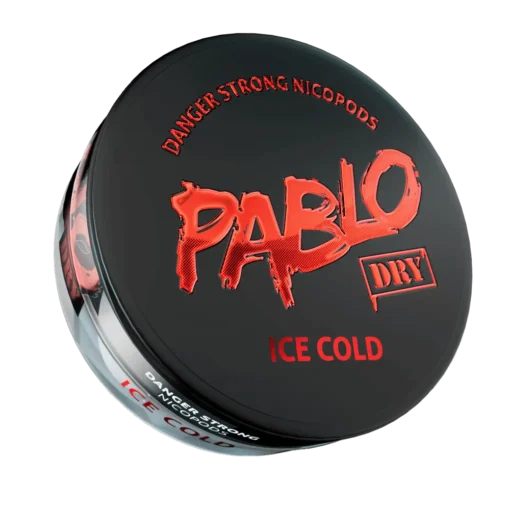
The Dry Ice Cold can holds 20 pouches of 0.6 g each, for 12 g net weight.
Each pouch carries 18 mg of nicotine, from 30 mg per gram.
So when a Dry pouch feels firm and less damp than an Original, that’s normal.
Don’t judge its freshness by the same moisture test you’d use on standard pouches.
Instead, check the date, the seal and the aroma when you first open the can.
The same 18-month, cool-and-dry guidance still applies to Dry cans.
For a side-by-side look at the two formats, read Pablo Dry vs Original.
Format by Format: Pouches and Can Sizes
Each Pablo line uses its own pouch weight and can size. That changes how long one can lasts once opened.
| Line | Pouch weight | Nicotine per pouch | Pouches per can | Net weight |
|---|---|---|---|---|
| Original | 0.8 g | 24 mg | 20 | 16 g |
| Dry | 0.6 g | 18 mg | 20 | 12 g (low-moisture) |
| Mini | 0.5 g | 15 mg | 30 | 15 g |
| XXL | 0.8 g | 24 mg | 30 | 24 g |
| Silver Edition | 0.7 g | 10.15 mg | 20 | 14 g |
| Gold Edition | 0.7 g | 17 mg | 20 | 14 g |
| Exclusive | 0.6 g | 30 mg | 20 | 12 g |
The 30-count cans deserve a moment of thought. Mini and XXL cans stay open for more sessions.
So the last pouches in those cans see more air than the first ones do.
That’s not a reason to avoid them. It just makes a tight lid even more useful.
Check a New Delivery in Five Steps
A quick inspection when a package arrives tells you where each can sits in its window.
- Bring the box inside promptly. A parcel left on a sunny porch warms up fast, so move it indoors.
- Confirm the seals. Each new can should arrive closed and intact, with no signs of tampering.
- Match the specs. Then compare the mg per pouch, net weight and pouch count with the product page.
- Note the date. Next, write the arrival month on the lid, plus any date you find on the packaging.
- Store the extras right away. Finally, move unopened cans to your cool, dry drawer before you open one.
This routine takes a couple of minutes. In return, you always know which can to open first.
If anything looks wrong on arrival, the returns policy explains the next steps.
Seasonal Storage: Summer and Winter
Seasons change the risks around a can, so a spot that works in spring may fail in July.
Summer
Heat climbs quickly in cars, attics and sunny rooms during summer months.
So move your stash away from south-facing windows and skip the car console entirely.
When you head to the beach or a ballgame, carry one can in a shaded bag.
Then leave the rest of your stock at home, where temperatures stay steadier.
Winter
Winter brings a different problem. Indoor heating dries the air, especially near vents and radiators.
Therefore, keep cans in a drawer rather than on a shelf above a heater.
Also, avoid moving a can back and forth between a freezing car and a warm room.
Those quick swings can create condensation on the can, which works against the “dry” part of the advice.
Opened Cans vs Sealed Cans
The 18-month figure describes cans in storage. Once you open one, everyday handling takes over.
A sealed can sits untouched, so very little air or warmth reaches the pouches.
An open can, by contrast, travels in pockets and bags, and you open it many times a day.
The maker doesn’t publish a separate “after opening” figure, so avoid trusting anyone who quotes one.
Instead, follow a simple approach: open one can at a time and finish it before starting the next.
That way, the rest of your stock stays sealed and cool until you need it.
Pocket Habits That Help
- Carry the can in a bag or jacket pocket rather than a tight front jeans pocket.
- Keep it out of direct sun on outdoor tables and car seats.
- Close the lid fully after each pouch.
- Use the lid compartment for used pouches, so the main tray stays clean.
Planning Bulk Orders Around 18 Months
Pablo Pouch Shop sells every product in packs of 1, 5, 10, 30 and 50 cans.
Bigger packs lower the price per can, so freshness planning matters for anyone stocking up.
Fortunately, the math is simple. The table below shows total pouches per pack for each can size.
| Pack size | Total pouches (20-count cans) | Total pouches (30-count Mini or XXL) |
|---|---|---|
| 5 cans | 100 | 150 |
| 10 cans | 200 | 300 |
| 30 cans | 600 | 900 |
| 50 cans | 1,000 | 1,500 |
To plan, count how many cans you finish in a typical month. Then multiply that number by 18.
That result is the most cans you could finish inside the window, if stock arrived fresh from production.
However, stock may already be some months old on arrival. So keep a sensible margin below that figure.
The table shows arithmetic only. It isn’t a suggestion about how much anyone should use.
For more on pack sizes and mixing strengths, see buying Pablo in bulk.
First In, First Out
Stores rotate stock with a simple rule: the oldest item leaves first. You can do the same at home.
- Place new cans at the back of the drawer or box.
- Then move older cans to the front, where you’ll grab them first.
- Next, mark each sleeve or stack with its arrival month.
- Finally, check the oldest marking whenever you reorder.
This routine takes almost no effort, yet it keeps every can well inside its window.
Mixing Lines in One Order
Some adults order more than one line, such as Gold Edition and Silver Edition.
In that case, each line may come from a different batch with its own date.
So group cans by line first, then by arrival month within each group.
That layout also stops you from grabbing a 30 mg Exclusive can when you meant to take Silver.
Clear labels on a storage box help here, especially when several strengths share flavor names.
Traveling With a Can
Trips put cans through heat, pressure changes and crowded bags, so plan ahead.
First, pack only what the trip needs, plus one spare can.
Next, keep the cans in a carry-on or day bag rather than a hot trunk.
Also, rules on nicotine products vary by airline, country and state, so check them before you leave.
When you get home, return any unopened spare to your main stock and use it soon.
Common Shelf-Life Myths
“Older cans get stronger”
The specs set the nicotine content per pouch. Moisture loss doesn’t add nicotine to a pouch.
A dry pouch may feel different, but the can’s stated mg per pouch stays the reference point.
To understand those numbers, read Pablo mg per pouch explained.
“The fridge or freezer doubles the life”
The maker’s guidance says cool and dry. It doesn’t mention fridges or freezers at all.
So stick with the stated advice rather than guessing at extra months.
Also, fridges bring condensation each time a cold can meets warm room air.
“A dry pouch is a fake pouch”
Moisture loss has ordinary causes, such as heat or a loose lid.
That said, buying from a seller that lists clear specs and ships sealed cans removes a lot of doubt.
Shelf Life and Safety at Home
Old or new, every can still contains nicotine, and nicotine is toxic if swallowed by children or pets.
So treat stored stock the same way you treat medicine: closed, high up and out of reach.
A forgotten can at the back of a low cabinet can become a risk for a curious child or dog.
In the US, call Poison Help at 1-800-222-1222 if anyone swallows a pouch.
Also, remember that Pablo suits experienced adult nicotine users aged 21+ only.
Too much nicotine can cause dizziness, nausea, sweating or a racing heart. Start low and stop if you feel unwell.
The Pablo strength guide can help you choose a sensible line before you stock up.
For background on how FDA classifies these products, the FDA’s overview of other tobacco products is a useful reference.
FAQ: Pablo Cans, Dates and Freshness
Does Pablo pouch shelf life change after opening?
The maker gives 18 months for cans stored cool and dry. It publishes no separate figure for opened cans.
So keep the lid shut and finish one can before opening the next.
What if a can is past its 18-month window?
The 18-month figure marks the maker’s quality window. So we suggest using cans within it.
If anything seems off, such as an odd smell, don’t use it.
Why do my Dry pouches feel firmer than my Original ones?
Pablo Dry uses low-moisture 0.6 g pouches by design. A firmer feel there is normal and expected.
Do Mini and XXL cans lose freshness faster?
Each holds 30 pouches, so the can stays open across more sessions.
A tight lid helps the last pouches stay fresh.
What is the best place to keep spare cans?
Pick a cool, dry, stable spot such as a bedroom drawer or closet shelf.
Also, keep it out of reach of kids and pets.
Keep Your Stock Fresh and Easy to Track
Pablo pouch shelf life comes down to two inputs: the production date and the way you store each can.
Track the date, count 18 months from production, and keep cans cool, dry and closed.
Then rotate your stock, and the window will rarely become a concern.
Ready to restock? Browse the full Pablo range or start from the shop page.
You can also check shipping and age verification details before you order.
WARNING: This product contains nicotine. Nicotine is an addictive chemical.
